How do I stop my toddler from crying for me at night?

Case Study : 3 year-old Henry

Before: Little Henry was struggling to fall asleep at bedtime, he sometimes took hours and his parent reluctantly eventually fell asleep with him in his bed. He got very upset when they tried to leave and when they eventually snuck out of the room (inching their way out holding their breath so as to not wake him) he would be up anyways within a few hours to call them back.

This back and forth between rooms happened all night until mom couldn’t keep up and just ended up bringing him to her bed or sleeping in his bed out of exhaustion.

This was unsustainable for this family and everyone was exhausted and grumpy.

“we are dreading bedtime each day and it’s become a constant battle, I end up losing my patience and I give in which now has created this expectation that is difficult to move away from because we are all exhausted. We just want to help our son sleep on his own and we want to sleep!” - Henry’s mom.

Assessment:

We had our first call and I gathered all of their family’s info and built out a personalized plan for them. Henry’s situation is common and easily fixed. However, parents needed a concrete plan and we sat down together to make sure it was something they could do and felt comfortable with. Without me guiding this process they would likely get overwhelmed.

Henry’s schedule needed to be adjusted, including bedtime to offer sleep at the right time and optimize the time of the day when his body would be primed and ready for sleep.

We set up the best environment and implemented a structured bedtime routine that included lots of one-on-one time with one parent and created visuals so he knew what to expect.

We had him get involved in the bedtime routine, decision making and understanding boundaries and consequences.

Once his parents had their game plan including exactly how to respond at night and what NOT to do, they were more confident and ready to carry out the plan with consistency.

Results:

Henry’s parents maintained some firm and loving boundaries and within a few days, Henry was falling asleep in his own bed within 10 minutes of lights out.

He was no longer crying out at night and even if he woke up he would stay in his bed until he fell back to sleep.

Henry is now sleeping from 7pm to 7am independently and his parents are also now sleeping in their own bed not having to worry about Henry getting up overnight.

“Our life has changed since working with you, we have so much free time in the evenings and bedtime is actually enjoyable for us. We love our new routine and our little boy is now rested and we are more patient because we are sleeping! Thank you for guiding us through this Lily, I really don’t know if we could have done it without you. “ - Irene - a now rested, happy mom.

Most toddler or preschooler parents come to me for help feeling it’s too late. It’s not.

Toddlers are surprisingly very adjustable and will learn very quickly given that we have a solid and consistent approach and plan.

The most important factors are communication, boundaries, and that they are empowered to want to stay in their beds.

Reach out for help on how to do this.

Because Sleep is for EVERYONE!

**Permission was given by family to share this case study but names where changed for privacy reasons.

Book A Free 20 minute Call
 

Nightmares, Night Terrors & and why your child goes bump in the night.

Nightmares, Night Terrors & and why your child goes bump in the night.

There is nothing scarier than your child screaming out in the middle of the night!

Now that’s a parent’s worst nightmare. Am I right?

So let’s talk about it.

How do we know if our child is having a nightmare, night terror, or is just waking up screaming?

It’s hard to assess, especially when you have woken up abruptly in the middle of the night.

So how do you quickly tell the difference?

It’s surprisingly more straightforward than you think…

Reflux & Sleep: 6 Ways to help your baby sleep!

Reflux & Sleep: 6 Ways to help your baby sleep!

It’s common and understandable for parents to worry that their little one’s sleep is being affected by pain due to reflux.

Having worked with many families struggling with GERD, Acid Reflux, gastroesophageal reflux (GER) or Reflux (all names for the same condition) I know it can be stressful and confusing.

I want to provide you with clarity and some tips that will help improve sleep even with reflux.

3 month old not taking naps more than 30 minutes and not falling asleep easily...

3 month old not taking naps more than 30 minutes and not falling asleep easily...

Case Study: Aria – 3 months old

Before: Little Aria was having a hard time settling at bedtime and having short naps. Mom was not able to put her down for independent naps and had to hold her the entire time. Mom and Dad also had a hard time calming her between 7-9pm and bedtime was stressful for everyone. She was fussy, overtired, and overstimulated.

12-month sleep regression and how to breeze past it

12-month sleep regression and how to breeze past it

Your sweet baby who was once sleeping great or at least letting you get some decent zzzz’s overnight…all of a sudden starts waking up at night, skipping naps or having short naps and you cannot for the life of you get them to fall asleep anymore!

Maybe this is the time to drop to one nap you think to yourself?

Let me stop you there and lovingly help you off the ledge.

Don’t drop that nap! Let’s talk about what the 12-month regression is and how to navigate it properly.

Here’s what you need to know…

The truth about Sleep Associations - Rocking, feeding, bouncing...

The truth about Sleep Associations - Rocking, feeding, bouncing...

Does this sound like your nights?

Baby falls asleep rocking, nursing, singing, bouncing..is then placed ever so gently in their crib so you can finally get a good nights rest. Or not.

If you make one wrong move your baby wakes up right away and you’re back to square one…or maybe you’ll get 10 minutes and if you’re lucky maybe even an hour.

Then it’s back to rocking, nursing, singing and whispering to yourself “whyyy is this child not sleeping”, frustrated, emotional and exhausted.

Every few hours it repeats.

You drag your feet all day because you’re exhausted, your baby is exhausted and fussy and all is a blur.

Let me tell you you’re not alone.

Top 3 tips for short naps (how to lengthen them)

Top 3 tips for short naps (how to lengthen them)

30 minute naps? 45 minute naps?

Also lovingly referred to as CRAP naps.

They can run your life or ruin your days so we want to understand them and know how to handle them.

The reality is that they happen and if your child is under 5 months they are expected.

Developmentally your baby won’t start to lengthen naps on their own until around 5 months. This, however, doesn’t mean newborns can’t lengthen naps just that we might need to assist them to do a longer nap.

Because short naps in the first 4 months are so common, we can often just add a fourth nap to make up for the short sleep. I don’t put too much pressure on short naps at this age but there are things we can do to naturally lengthen naps and the tips below will help!

3 Steps to having your baby sleep with anyone - Date Night Essentials!

3 Steps to having your baby sleep with anyone - Date Night Essentials!

Date night, girl’s night, and time to yourself are ESSENTIAL in ensuring that you are not getting burnt out and really filling your own cup….so that you can better give to others.

Let’s be honest we all need a break and time to re-connect with ourselves, friends, or our partners.

So how do we ensure that our babies sleep well so we can go out after bedtime and enjoy a night out, a date night, or even just some alone time?

Here are 3 steps that you want to have in place when planning a night out….

5 Steps to Weaning Night Feeds

5 Steps to Weaning Night Feeds

It’s understandable to wonder whether your baby is ready to drop a feed, or if they are waking up hungry and worry about whether to drop feeds at night altogether.

Having worked with hundreds of families, I can tell you that feeding is the most common worry among tired parents.

Caloric intake varies and as your baby gets older they can handle longer periods of time between feeds.

Newborns often need multiple feeds overnight.

So, how can we as parents have peace of mind and how do we actually do this?!

Top 5 Summer Sleep Tips

Top 5 Summer Sleep Tips

Sleep can be disrupted by so many factors. It’s not constant. You will always run into something that will mess with sleep…like SUMMER!

If however, you are prepared, you know what to do and your baby is rested and has some great skills, nothing can ruin sleep for you. NADA.

But Summer is known to come with some bedtime struggles and early mornings.

Let’s chat about how we can prepare to ensure great sleep this summer!

Here are my top 5 tips:

Getting Your Toddler to Stay In Bed: How to introduce a sleep trainer clock

Getting Your Toddler to Stay In Bed: How to introduce a sleep trainer clock

f you have a toddler or preschooler that is struggling with bedtime, waking up early and refuses to stay in their bed…keep reading because introducing a toddler alarm clock can be a game-changer for even the most stubborn child.

A toddler clock is a great visual tool to help set boundaries and manage sleep expectations. It’s a clear way to show our little ones when it’s time to stay in bed and when it’s okay to get up and start the day. With this age group, we want to provide consistent boundaries so they learn to trust them and not test them (testing boundaries is a normal part of toddlerhood and is a way for them feel secure).

Giving the toddler clock that responsibility will not only help create buy-in but encourage ownership.

So the burning questions….

When do I introduce a sleep trainer clock?

3 Things you need to know about Music & Sleep!

Studies suggest that slow, soothing music can lower your heart rate and relax the body for sleep. It can also reduce anxiety and for babies a less anxious parent is the key to falling asleep.

Music has been used for inducing sleep for decades and it’s a great tool for creating some great healthy sleep habits.

So should you use it with your baby?

Should your baby sleep with music on?

GET YOUR FREE SLEEP SCHEDULES NOW!https://www.lilbabysleep.ca/freeschedules

GET YOUR FREE SLEEP SCHEDULES NOW!

https://www.lilbabysleep.ca/freeschedules

Does it help your baby sleep longer?

Here are the three answers to those questions:

1. So should you use it with your baby? YES! Music is great for brain development, and when it comes to sleep it’s great for calming and cueing sleep. It can be a GREAT part of your bedtime routine.

2. Should your baby sleep with music on? NO.

As much as I love music as part of your baby’s bedtime routine and wind down, I don’t recommend that it be on during sleep time. The reason is, that while it’s relaxing, it’s still stimulating your brain and has notes that are not static (like white noise) so any change in pitch can wake baby up and if it’s not a consistent tone (which most music isn’t), then it will actually disturb sleep and wake baby up fully between sleep cycles.

So no, turn it off before putting your baby down and switch to white noise (that should be on all night long).

3. Does it help your baby sleep longer? While music or even you singing to your baby is great for calming, relaxing, and preparing for sleep, It won’t help your baby sleep longer. It will, however, get you and your little one relaxed enough to help you fall asleep. Having music on all night can, in fact, can have the opposite effect. So stick to white noise for sleep, give their little brains one less thing to focus on, and provide consistent noise that won’t disturb sleep.

Music has such a great effect on the brain and mood. During awake time, I absolutely encourage it. Hey and while you’re at it do a little dancing along with it! That will help get out some energy and exercise is also great for sleep! WIN-WIN!

Stay rested my friends,

Lily xx

If you want to learn about how to get your little one sleeping better, reach out anytime and let’s chat

Free 30 minute Phone Consultation
 

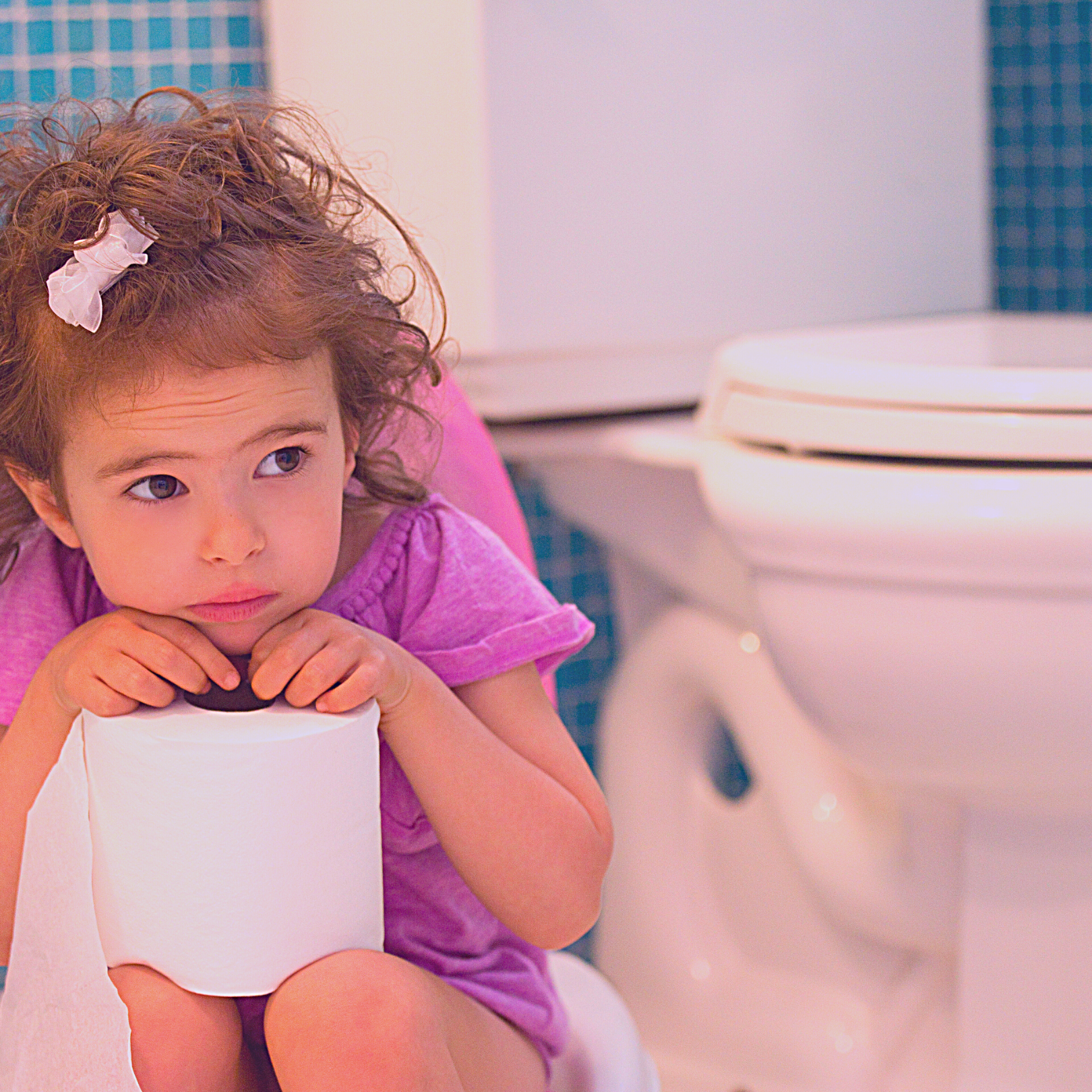
3 FUN ways to get your toddler to sit on the Potty - for more than 5 seconds.

3 FUN ways to get your toddler to sit on the Potty - for more than 5 seconds.

The struggle is real. You start potty training and your toddler right out REFUSES to sit.

Where once they seemed excited, they are now running from that potty like their life depends on it!

Maybe you are months in and they’re still refusing to sit (common btw).

Unless you do it right the first time, the truth is…Potty training CAN drag on for months!

The first step of successful toilet training is:

Why a Sleep RESET is so important and how to do it.

Why a Sleep RESET is so important and how to do it.

Sometimes we all need a good RESET.

You know when your computer is overloaded, too many tabs open and the fan goes on like it’s overheating…ya parenting can get like that sometimes.

When things are feeling out of control a reset can help you re-calibrate.

Note I didn’t say re-start.

A re-start is throwing your hands up in the air and having to do everything over again.

A RESET is moving away from the situation and temporarily changing focus, direction and stepping back. So you can see it more clearly.

Children need resets too. Sometimes when they are fussy, overstimulated and upset. It’s important to recognize when a reset is in order, so we can help our children calm and re-direct their focus.

2 Signs a RESET is needed:….

3 Ways to Handle Potty Training Regressions

3 Ways to Handle Potty Training Regressions

You made it to the top of the mountain 🙌🏻 Potty Trained.

Finally ditched those diapers and survived the toilet training process….or so you think.

Your little one once self-initiating and diaper-less, but all of a sudden starts to have accidents.

More accidents than you would like.

No need to panic. We need to understand that even after successful learning there WILL be accidents.

We still expect accidents.

Accidents can happen for a number of reasons;

5 Sleep Hacks for Toddlers

5 Sleep Hacks for Toddlers

What’s worse than an overtired toddler? Nothing. Absolutely nothing.

Are you struggling to get your toddler to sleep? Are bedtimes long drawn out battles that usually end with you falling asleep in a bed two sizes too small and missing out on your entire evening plans?

If your toddler is not sleeping well, then it’s likely that the entire family is not sleeping well either.

Lack of sleep can lead to constant meltdowns, hyperactivity and power struggles, especially at bedtime. With little sleep, no one functions well and it can turn your household into a war zone.

So how do we help our toddlers wind down, cooperate, fall asleep on their own and stay asleep?

These 5 hacks will help set the stage for better sleep 🙌🏻 ahhh…sound dreamy??

Keep reading.

Everything You Need To Know About Night Time Potty Training

Everything You Need To Know About Night Time Potty Training

Potty Training during the day and Potty Training at night are two completely separate processes. As such we need to fully understand that they will not likely happen at the same time.

Daytime potty training is actively teaching your child the skill of going to the bathroom in a specific place (the potty/toilet). The learning process is essential as they have been in diapers all of their life and until now have not had to connect the urge to go with an actual behaviour and place. We need to show them where to go.

Nighttime potty training is similar however, it’s more reliant on their bodies physical capabilities: the size of their bladder to hold for long periods of time. Physically most children under three do not have a large enough bladder to hold for long periods of time and although having the skill to feel the urge and go at a certain time is essential, developmentally they need to be ready.