Big Feelings at Bedtime -Guest Post: Tara Gratto - Raising Resilient Children

Our emotions are such an important part of who we are, but let’s be real, they also make our parenting journey SUPER HARD! If I were to pick a time of the day that parents consistently tell me their child’s feelings are most difficult to handle…. It’s at bedtime.

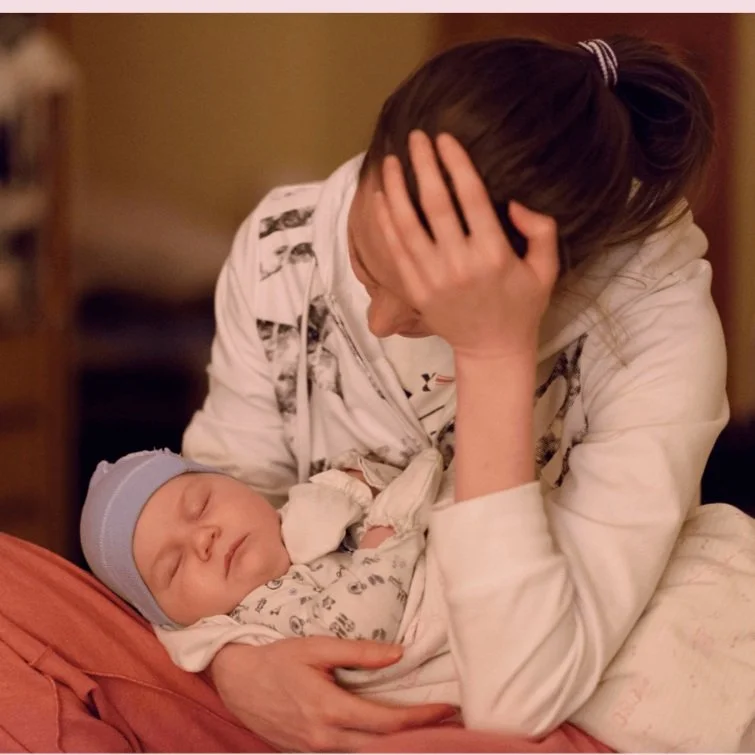
Do you ever feel like this?

Let’s dig in a little into what’s happening so that we can make your life easier. 

As the world shifts away from things like “suck it up” and “cry it out” and moves into a space where feelings matter and we want to help children feel validated in their hard moments, there’s a missing piece. Without understanding feelings and building effective tools and strategies, the feelings tend to take over. 

They take over the moment, they take over our thinking, they take over everything.

Here’s the tricky layer, most of us didn’t grow up with tools for our feelings. In fact, historically we have supported the idea that suppressing our feelings is a sign of strength and we are learning this isn’t the best path.

This layer might be what is making your parenting extra hard because it can leave you second guessing a lot things, especially at bedtime. It’s the time of the day when many caring adults struggle. 

You are trying to comfort your child while also thinking about how they need to go to sleep because they are over-tired.

All this while also thinking about how you need to do some things before you can sleep and so on… We’ve all been there wishing our child would just go to sleep! 

There’s an important connection to make here. This situation is creating a big feelings moment for you which makes getting your child to sleep harder because you’re caught in a stress storm. One of those moments you never learned tools for.

A key part of building your tools and skills for handling big feelings moments is understanding how emotional regulation works. There is a module on this topic in my parenting support package because it’s a key component of understanding tricky moments, like bedtime. One of the things I highlight in that module is the picture book I wrote called The Adventures of Team Brain. This book makes learning about this stuff accessible, relatable and fun. 


In the book you are introduced to the Brain Control Centre Team: Thinking Brain, Body Brain and Emotions Brain. Now, everything is pretty good when those three work together and that’s when we can do a great job of regulating our feelings, but there are times when Emotions Brain has a really hard time with this. This is the key to what is happening in really BIG FEELINGS moments (emotional dysregulation). When Emotions Brain takes control, this is what triggers a stress response. In the story I call it DINO Brain and the 3 F’s: Flight, Fight, and Freeze. 

We all have DINO Brain moments and what they look like is different for different people. Understanding the difference between expressing your feelings and a full on DINO brain moment is key to validating feelings in a way that doesn’t allow them to control situations. A really important part of this process is working on tools and skills in moments of calm and connection to support keeping the team working together to prevent that full DINO Brain takeover. 

When we are thinking about bedtime, this helps us to understand the difference between feelings that are being expressed to show disappointment, frustration, boundary testing, annoyance, sadness… as different from a DINO Brain moment.

This will help you navigate your parent feelings of overwhelm, stress, annoyance, guilt, frustration etcetera while implementing effective tools, limits and boundaries that will reinforce the goal of rested sleep for everyone.


Tara Gratto M.S.Ed, MA, OCT is the Founder of Raising Resilient Children. 


Tara has been working with children and families for 20+ years as an educator, former preschool owner, picture book author and social emotional expert. She is also the parent of two middle school children. In her role at RRC, she helps parents and caring adults learn the tools and skills they need for the hard and messy parts of parenting, and everything in-between. 


Children don’t come with manuals, parenting isn’t a cookie cutter and trying to navigate information in the digital age is nearly impossible. Her proven frameworks and systems will provide you with clear paths to support you and your unique family’s needs.


Website: https://www.taragratto.ca/


Book: The Adventures of Team Brain


Where to purchase: https://www.taragratto.ca/TeamBrain  or on Amazon Worldwide


How to go from bed-sharing/Co-sleeping to sleeping in a crib at any age- 5 easy ways to start

 How to go from bed-sharing/Co-sleeping to sleeping in a crib at any age- 5 easy ways to start

Are you finding yourself stuck with a tiny human inhabiting your bed?

Maybe you reactively brought them in hoping to get at least SOME sleep or it was the better option for you at the time and now you are ready to transition them to their own crib.

If you are a parent wanting to go from bed-sharing to having their baby/toddler sleeping in their own crib, this can seem like one of the hardest transitions but I assure you it’s 100% achievable.

Colic & sleep - How to help a colicky baby sleep?

Colic & sleep - How to help a colicky baby sleep?

Is your baby crying for hours and hours in the evening?

Are they healthy but when the “witching hour” starts you can’t get them to calm down and settle?

Colic refers to bouts of excessive crying for hours on end. Specifically more than 3 hours per day for more than 3 days a week, for 3 or more weeks at a time.

According to the research 20% of infants experience colic primarily in the first 1-6 weeks of life. As your little one gets older the likelihood of them having colic decreases to 0.6% by 10-12 weeks. Colic has only ever been known to last until 6 months. This is good news because we know that colic is temporary although extremely stressful for parents!

There is no specific “cause” of colic and it’s largely unknown why it happens, the medical community speculates it can be a number of factors including:

When can my baby sleep on their tummy? Rolling over

When can my baby sleep on their tummy? Rolling over

As a parent we are always worried that our little ones are safe especially during sleep when we can’t keep a “conscious” eye on them. It’s frightening to look at your monitor and see that your little one has rolled over and is face down on their tummy.

What to do?!

Do you:

A. roll them over a million times and risk keeping them awake

B. Let them stay on their tummy and is it safe?

The answer is pretty simple actually.

4 month sleep regression - how long does it last?

4 month sleep regression - how long does it last?

What is the 4 month sleep regression?

Around 3-4 months we see the biggest and most obvious changes in sleep. It’s often referred to as the “4 month sleep regression”. Although, it is developmental like all other regressions, it’s very different from all other sleep disruptions that are due to development.

It’s a permanent change in sleep cycles. This means that sleep cycles have matured and now look more like adult sleep cycles, cycling from light -to deep- back to light sleep every 90-120 minutes.

Typical signs that it’s happening: …

Answers to the TOP 5 sleep questions of 2022

Answers to the TOP 5 sleep questions of 2022

If you’ve had these common sleep questions you are not alone!

As a Certified Pediatric Sleep Consultant working with thousands of families, these are the questions I get asked most often.

I want to give you all the answers here so you can feel confident in making a decision to either make some changes in your sleep or keep it as it is.

In the end, you my tired friend are the only one that can commit to transforming your sleep for good.

Here is all the information you need to so you can be the parent you envisioned:

Do you change a dirty diaper at night?

A question that all parent’s face at some point:

Should I change a poopy diaper at night or worse, early in the morning?!

This is a very scary predicament. Do you change a diaper knowing that it could possibly wake up your baby for hours or dare I say…for good.

Do you take that chance?

Here are some guidelines to follow for those doubt filled moments:

If they are sleeping. Do not wake a sleeping baby for a diaper change.

Now this has exceptions. Generally however, if your baby is sleeping and not uncomfortable then let them wake up on their own.

But this differs for newborns. Newborns will likely need more diaper changes at night. They will also be up for a feed or two at night so at this time, it’s okay to change diapers. They can endure a little more handling than older babies and as we know, they still need some assistance to sleep.

For newborns: Yes change a diaper if it’s poop, but it should be done in the dark (don’t turn on the lights), a little night light or better yet, red light with little stimulation and interaction and back to bed.

For babies over 4 months: This is where it gets tricky. As much as your child is a great sleeper and can fall asleep independently, it’s hard to change your baby’s bowel movements.

The good news is that it’s temporary. It lasts a few weeks and it will eventually shift.

Some toddlers also like to have privacy. to poop so offering that during the day or before bedtime may help.

Adjust your diet: If your little one is on solids we may need to adjust their diet and try not to offer natural diuretic food at dinner or before bed. We want to encourage your baby to have a bowel movement during the day. Avoid fibrous foods before bedtime and stick to foods that will “bind” them up like bananas, apples, oatmeal.

While it’s still important to offer a wide selection of different foods, having foods that will encourage their bodies to have a bowel movement early on will eliminate the need to go at night.

In the meantime what do you do if they wake and need a diaper change?

If it’s poop, change it.

Change poop in the dark and back to bed.

If you are having to assist back to sleep (hold, rock, feed, bounce, bedshare, ect), then that is something you will need to fix first. If your baby is not able to put themselves to sleep these interruptions can cause long periods of awake time and exhaustion for both of you. Here is the next step to fixing that: Your Dream Plan.

What if it’s early morning and you know they will be up for the day?

You have two options:

  1. Change it in the dark with little stimulation and hope they put themselves back to sleep - it may not happen since any interaction in the morning hours can cause them to be up for good.

  2. Wait, if it’s close to wake up time. Waiting until it’s as close to wake up time as possible and then changing their diaper and getting them up for the day. We don’t want them to get a rash but typically they can go a few hours with a poop before it starts to give them a rash.

This is totally up to you and your judgement.

If your baby is really good at putting themselves to sleep, they are more adaptable and can handle a diaper change. If they are not, then wait and get them up for the day a little earlier.

What about Pee?

You don’t have to change pee overnight. Poop yes but not pee. Diapers are designed to hold all night long.

*make sure you have a diaper that fits well, if it’s leaking go up a size or double diaper.

Lather on the cream

When I say lather on that white diaper cream, I mean like icing on a cake. Give a few good layers of protection, that will help avoid any rashes.

Waking a baby fully to change their diaper for pee especially over 4 months will disturb sleep and it not really necessary. If you feel like you NEED to. do it, then in the dark and back to bed awake.

Sleep Issues CAN be resolved

Babies will pee or poo while awake so it may also be that your little one is having issues with sleep and are staying awake for long periods of time so the poop is a result of sleep issues instead of sleep issue coming from poop.

Is there something else that can be waking them up in the early mornings? Check your environment, schedule and how they fall asleep.

That is something that we definitely need to get resolved.

In the end, if you are offering assistance to sleep, then after you change their diaper you will have to continue to assist to sleep. It’s not fair for them to expect that not to happen.

If you want to change this, then you can! You can get your baby sleeping independently and that will in itself solve your problems at night, including diaper worries.

I’m excited to be able to help you resolve this and feel rested and happy, because that’s what you all deserve!

Learn more about how to get a plan and support with me:

Learn more about Your Dream Plan
 

5 Sleep Gifts that You Want on Your Christmas List

I’ve been there...you’re tired, grouchy and ready to throw money at anything that says that it will help you and your baby sleep. 

However, not all baby products are worth it. Trust me. When I work with a family, we look at everything. Their house, their schedule, their baby’s sleep environment. Some things do help set your baby up for great sleep, but others are actually working against you. The reality is that your baby’s sleep environment matters. 

So are you ready for my list of favourite sleep products? Ready to learn more about the things that are actually going to encourage sleep? 

Let’s go! Here are the five things that you absolutely need this year. 

#1 Blackout Curtains or Blinds

If there’s one thing that you get, make it this.

Darkness is the number one factor that is going to help your baby fall asleep and stay asleep. 

I tell my clients to make the room dim before bed and then completely dark once you put your baby to bed. Any light that sneaks its way through is going to hit the skin and wake up your baby. Blackout curtains are also a game-changer for making naps easier. 

Honestly, I can’t say enough good things about blackout curtains. Here are my favourites: 

Sleepout Portable Blackout blinds (discount code: lilbabysleep)

Gro Anywhere Black out blinds

Black out window film

Slumberpod discount code: Lilbabysleep for $20 off (#1 for travel)

#2 Sound Machine

Oh white noise...where would we be without you? It’s great for newborns, babies that share a room with siblings and you can take it with you if you’re traveling for the holidays. 

You want one that plugs into your wall and one that you can take on the go. The plug in one is key for overnight sleeping. It needs to last the whole night long because your baby WILL wake up when it turns off. 100% guaranteed and this is horrible, especially in the morning hours when they need a consistent sleep environment. 

So how loud should it be? About as noisy as a vacuum cleaner in the room, or 55-60 dbl. 

Here are a few options:

Portable white noise machine

Plug in white noise machine

#3 Sleep Sacks/Swaddles

So first, let’s outline the difference between the two. 

Swaddles are for newborns and mimic a womb environment. It prevents newborns from startling themselves awake.  

After eight weeks, we need to transition to a sleep sack with the arms out. This is because babies could potentially rollover. In a swaddle, that is so dangerous, since babies will need their arms to hold their heads up. 

Sleepsacks are also warm and cozy and snug. They can even become a positive sleep association. Putting on their sleepsack at bedtime can signal that it's almost time for sleep and make them drowsy. 

Find the right swaddle or sleep sack here

#4 Monitor

Watching your baby sleep is way better than anything you can find on Netflix. They’re so peaceful and watching them sleep soundly can give you peace of mind that your baby is okay!

Let’s just make sure that your monitor isn’t going to affect your sleep. Turn down the volume. You don’t need to hear every little noise they make, and trust me. Unless you live in a castle, you are going to hear your baby if they cry during the night. 

Monitor option

#5 A sleep consultant

Okay, this one is a little self-serving, but hear me out. 

It’s okay to need help. Sleep is HARD. It’s okay if you want someone to help you come up with a plan because you are just so very tired. That’s where I come in. I look at your sleep environment, your baby’s sleep and all those other little things and come up with a plan with SOLUTIONS that work for your family. 

I’m there every step of the way with support and encouragement and understanding. I’m there with the knowledge and experience from all of the families that I’ve helped. I am committed to helping each and every one of my clients get a good night’s sleep. 

So, if you want to add long term sleep to your gift list this year, let’s book a call and talk some more.

Book a free 20 minute discovery call here 

This is basically all you need! Don’t spend on fancy bassinets, unsafe products that are going to cause more long term sleep problems or bells and whistles that will likely disturb sleep even more. Less is more! Save for the simple things that matter.


My child was a great sleeper & all of a sudden stopped sleeping through the night- why & what to do?

My child was always a good sleeper and now we’re up all night rocking, feeding, holding.

What happened?!

The good news is- that having trouble sleeping during the night is temporary.

The bad news is that if you change your response at night, then their expectations change and it CAN become long-term.

There could be many reasons why your child could be having trouble at sleeping at night, some of these include: schedule (sleep needs have changed, overtired, under-tired), environment, development of skills (sleep regression), overstimulation, cold, sickness ect.

It will likely happen as your baby grows. Sleep is not constant but sensitive to many things.

We as adults often still have trouble some nights, especially when we are overly stressed and overstimulated.

While we can’t avoid these types of disruptions, understanding what is happening and what to do, will make bouncing back so much easier.

Now the reality is that sometimes you will have to change the way your baby sleeps and help them, ie. travel, sickness ect. That’s okay!

However, we as humans form associations very quickly.

Sleep Associations are: conditions that the child learns to need in order to fall asleep (such as rocking, nursing, or lying next to a parent). These same sleep associations are then needed in order to fall back to sleep at each wake up.

When you want to get back to sleeping independently, you must change the way your child falls asleep. If you continue to assist they will have no idea that this is not the way they should be sleeping. You have to take the lead to show them.

This is where having a sleep plan is critical. The simplistic answer is just stop doing what you are doing to help and let them fall asleep on their own but I’m a parent and I know it’s not that easy.

So instead, first eliminate anything that can make it even more difficult for them and set them up for success. Look at schedule (is it age appropriate? are they sleeping enough during the day or too much? are periods of awake time to long or short?), environment (is it as conducive to sleep as possible?), calorie allocations (is your child dependent on getting their calories at night? do you need a weaning plan?), make sure they are not sick and only then start to implement a sleep training technique (no this does not mean cry-it-out) that you feel comfortable with. There are many options on how to do this. I help thousands of families choose very responsive methods that fit their comfort level.

It’s important you go back to a predictable, consistent response so they understand what to expect and are not confused or dependent on crying to be helped back to sleep.

https://www.lilbabysleep.ca/freeschedules

Implement your plan for a week and you will see that your little one will see the pattern and get it really quickly! Then you can all enjoy sleep again making your entire family happier!

If you need a plan you can get a step-by-step plan and support through the entire process here: Your Dream Plan.

or book a call and I can guide you in choosing what will work best for your family.

There are alway options and yes you can go back to sleeping all night and feeling rested. xx

Lily

Your Pediatric Sleep Consultant


Tis The Season....for sickness. Key sleep do's and don'ts while baby is sick

Tis The Season....for sickness. Key sleep do's and don'ts while baby is sick

If you have children like me, you’ve probably used up all your sick days and haven’t left your house in weeks…cue cabin fever.

Daycare is a germ invested hole that has you imagining the worse virus’ on your children’s hands and wait..don’t pick your nose! DONE. The flu.

If this is your life too, you are not alone! Tis the season and no matter how much we bathe in anti-bacterial, germs WILL find us.

So on top of having a sick child, now another worry at the back of many parents minds is…how will this affect their sleep?! I just got them on a great schedule and sleeping independently! (if you haven’t then you should talk to me to do that first).

Don’t fret mamas, I promise it will be okay. A good sleeper will bounce back, yes they will likely wake up more during naps and at night but we have to understand that just like us when we’re sick, they will feel like crap too.

So here are some do’s and don’t to guide you during sickness!…..

Breastfeeding to sleep & short 20 minute naps - 4 month old Isabel

“I didn’t have any down time to myself” -Melissa’s story

Melissa needed some predictability and relief.

Her little girl was having short naps, her nap times where unpredictable, mom had to hold her for all naps and she was strongly dependent on feeding to sleep.

Putting little Isabel to sleep took hours. She would go down and wake back up shortly after.

Mom was exhausted. Isabel was exhausted.

As much as she tried herself, she couldn’t get her baby to fall asleep without a feed and for longer than 20-30 minutes at a time. At night she was up every few hours feeding back to sleep each time.

Melissa reached out for help as she was feeling overwhelmed and depleted.

“I was the only one able to put her down for naps and night sleep and needed to rock or breastfeed to sleep. This was really hard on me as i felt all day long i was just trying to put her down for sleeps giving me no time to myself. She was also having cat naps of 20 mins so I really didnt have any “down” time to myself.”

SHE JOINED YOUR DREAM PLAN

We started with walking Melissa through what exactly was happening (understanding sleep is the first step). We got her a solid age appropriate schedule and made sure that she was setting her baby up for success for some solid, longer naps just by finding the right timing to put her down.

We looked at her environment and make sure that was working to help her baby with sleep instead of working against her.

We came up with a game plan on how to settle little Isabel and when and how to put her down.

We resolved her nights first, within the first week and still kept a feed at night but disassociated it with sleep (this is moms choice). So little Isabel was able to feed but didn’t depend on it to be able to sleep.

Once she was getting 12 hours of sleep with Isabel putting herself to sleep on her own with little to no crying, we worked on naps.

Naps can be a little tougher because we are working with less sleep drive but she did AMAZING. The best thing was that mom became confident with sleep, she learned how to troubleshoot when days weren’t perfect (that’s impossible), she was more rested and started loving the time she spent with her daughter because they were all in great moods and happy.

“Lily shared a method that worked like magic for us! It was scary to try but our baby got the hang of it almost immediately! It;s crazy how fast they can learn and adjust. The coaching calls were really helpful as well to help troubleshoot any issues that we were experiencing along the way with the new methods.”

She used all of the support we offered inside of the Your Dream Plan program and learned strategies that helped her become a more confident parent.

SLEEP IS NOW AMAZING!

“SLEEP IS AMAZING! Naps are so easy now, we put her down in her crib awake and she soothes herself to sleep within 10 mins. She barely cries now as shes gotten to the point where she has learnt her nap times and puts herself to rest. I also no longer need to breastfeed her to sleep which was a huge goal of mine.”

Now with her daughter sleeping 12 hrs and getting some great naps Melissa is able to be the parent she wants to be and doesn’t really have to worry about sleep because she knows what to do and how to respond at each situation.

We are so blessed to have families like Melissa’s in the program who use all of the support and execute their customized plans with commitment. They get results!

“Lily was amazing in helping us get our daughter to nap on her own. Not only has this given us so much more time back in our day, but our daughter just seems so much more confident and happy when it comes to nap time! With these changes, her naps are also longer now (sometimes even 2 hours) and so this adjustment has finally allowed me to start getting my life back on track! The coaching calls are amazing as well as I used this as a way to troubleshoot and ask any questions/share any concerns around the sleeping training. Both Lilly and Jen were very knowledgeable and provided so much support.”

If you want to sleep better, you absolutely can be in the same place Melissa and her family are in. 100%.

Learn more about Your Dream Plan here and let’s get you started.

The holidays are coming up and the last thing you want is to be tired and miss out on the memories.

Look forward to getting you YOUR dream sleep.

Lily

Your Pediatric Sleep Consultant

LEARN MORE ABOUT YOUR DREAM PLAN HERE


Disclaimer: This case study is printed with the parents permission, but names have been changed to respect client privacy.


How to wean the 5am feed & why it can cause early mornings

How to wean the 5am feed & why it can cause early mornings

If your baby is waking up at 5am and won’t go back to sleep without a feed continue reading, this is for you.

5am wake ups are notorious, they are hard and they can wreak havoc on your day. The last thing we need is to feel exhausted by 9am and then have to endure the entire day knowing you will be up again early tomorrow. Torture for both you and your little one.

Even if your little one goes back to sleep after that feed, as they get older it’s likely that this will cement that wake up and that they will be up for the day at this time. READY TO PARTY 🙀

So how do we get out of this cycle and why is it happening?!

Separation Anxiety & Sleep

Separation Anxiety & Sleep

Separation Anxiety happens and it’s a normal part of your baby’s development. In fact, its an incredible milestone in their development!

If it’s seeming more stressful than anything, I GET IT! Lot’s more tears and clinginess and often we see it when a big transition takes place…ahem ahem..starting daycare after/during a global pandemic?!

Yup, that’ll do it!

Although it’s a normal phase of emotional development, it can be hard. Especially when it comes to sleep.

The Ideal Bedtime: Breaking it down.

What makes up the ideal bedtime routine?

or better yet…what do you want to avoid? crying? stress? the rush? overwhelm?

ALL OF IT?!

YESSSSSSSSSS.

While it’s impossible to avoid all of these, all the time, a great bedtime routine can help eliminate A LOT of stress and parental guilt.

So what does the IDEAL bedtime routine look like? and does it vary by age?

Let’s break it down…

Length: The general rule of thumb is that bedtime needs to be a wind down. A relaxing time for both baby and parents. Ideally 30 minutes is recommended. We don’t want it to be too long and drawn out or you will have more crying, and we don’t want it to be too short so baby is not given time to unwind (although a shortened bedtime is sometimes necessary and OKAY!).

Stick to 25-30 minutes before bed consistently and you will be just fine.

What really matters is repetition.

The reality is that there is no IDEAL bedtime, just a bedtime that works for your family!

It doesn’t really matter what you do as long as:

  • It’s in the same order each time

  • It’s relaxing and not overstimulating (no dance parties)

  • It is relatively short

  • If you want independent sleep - baby goes down wide awake

If your baby is falling asleep at bedtime or is overly fussy, we need to take a look at schedule, environment and all the other factors that could be affecting baby’s mood.

Will there be crying at bedtime?

Yes, it’s almost impossible to prevent but there are ways to mitigate it. Although this really depends on your baby’s temperament and should not be for long periods of time or more than a few minutes.

During separation anxiety crying can be elevated but it’s temporary and there are ways to keep it that way. Your baby can still put themselves to sleep, they are just learning new exciting skills, like object permanence.

A lot of crying at bedtime can be prevented but parents really don’t know where to begin. Don’t worry, I’m here to help you through it.

How does bedtime change when I have a toddler/preschooler?

Once your child is old enough to really understand and communicate, we need to approach bedtime in a way that makes them feel empowered and excited.

That means handing over some of the decisions to them.

Boundaries are yours to set. Simple decisions are powerful for THEM to make.

Decisions they can make:

  • order of when everything happens

  • how long (give them a choice of 2 min or 4 min and let them set a timer)

  • what pj’s they where

  • what best friend they bring to bed

  • what book they read

  • How many books (give only two choices)

**all of these decisions should be set out ahead of time during the day and NEVER at bedtime.

Boundaries you need to set:

  • Bed TIME (lights out)

  • Follow bedtime rules (stay in bed, close your eyes and be quiet as a mouse)

  • What are the consequences (set those ahead of time)

Your boundaries WILL get tested. That’s a given, but how you hold them and stay firm and consistent will determine how smooth bedtime will be.

In the end, like everything with sleep how consistent your baby is will be determined and led by how predictable and consistent YOU ARE. You are setting the tone for bedtime.

It can be easy for bedtimes to feel out of control but with a solid plan and understanding of sleep, you can navigate them and avoid meltdowns and stress. You might actually ENJOY THEM and your child will love them!

If this sounds like crazy talk, talk to the thousands of families that I’ve worked with to see how easy they can be!

If you are struggling with bedtime, it’s best to reach out and get support. They are likely not going to fix themselves so it’s best to get it resolved for the long term.

Book a call so I can assess and we can see how I can help you make bedtime the EASIEST part of your day xx


How to move from holding upright to sleeping in a crib!

If your baby will only sleep while being held this is what you need to know to make the transition to the crib a lot easier.

Changing how your baby falls asleep is not always simple and this is why it’s so important to have a plan and support through this process.

The process will depend on your baby’s age, your comfort and how strong the association is but here is what you need to know to get you started:

For Newborns:

Newborns LOVE to be held and will often find mom’s arms most comfortable. They love being close to mom and hearing her heartbeat, just like in the womb.

How to move from holding to sleep to your baby sleeping in their crib!

This is why environment and how we set our babies up to feel comfortable is most important.

It’s OKAY to hold your newborn to sleep with a plan to move away from that and getting them used to falling asleep in many different ways (ie. in their crib).

Makes sure that for babies 0-3 month you are swaddling before holding to sleep and incorporate some patting. This patting will help them develop that association so you can start putting them down more and more awake and patting them off to sleep.

Our goal is to get them to fall asleep in the crib even if we are patting and shushing them off to sleep.

If you want to continue to hold to sleep but your baby wakes up as soon as you go to put them down then the key is to hold them until they are FAST asleep. So wait at least 20 minutes until they melt into your arms, then you can put them down.

The environment, the wind down and your ability to regulate your own emotions will be important in achieving this. With newborns it’s just practice so if they wake and cry then pick them back up and try again.

After 4 months old (4 months to 18 months)

At 4 months and older your baby should be ready to start sleeping in their crib, either in your room (room sharing) or in their own room (when to transition baby to their own room).

Set your baby up for success with environment. Is it conducive to sleep? Spend time in the room and in the crib so it’s not a big transition. Don’t even RESCUE a baby from the crib but have them hang out there, move around so they see it as a safe space. *the crib is the safest space they can be in as long as you don’t have anything in it.

Always, always put infants on their backs to sleep. If they roll around and on their belly then they are safe on their belly but always put them on their backs first (this is also relevant for reflux babies).

Wind them down and prepare for sleep. This is a simple but extremely important step that we can’t skip, or your little one’s body won’t be ready for sleep.

Get your little on a great age appropriate schedule and make sure they are not going down undertired or overtired. Here are some free schedules to start off with: 3-4 months, 5-12 months

Find a sleep training technique that works for you - put baby down awake. You can do this slowly or fast, this really depends on your comfort level and parenting style. It’s important to consider age and temperament as well, with this as some sleep training techniques work better for some babies and we have to see what will work for YOUR family.

There are MANY different ways to do this and not just one option (cry it out). This is where I can help you find something that you will be successful with.

Get a solid plan that checks off all the boxes - feel confident with your plan - know what to do and when to respond.

Changing the association with being held to going into their crib awake is not easy (making changes are never easy) but 100% doable and worth it with a solid plan and support. Holding to sleep is a strong association and if it’s not giving you the rest you all need, then it’s time to change it.

The hardest part is the implementation. Have support to help you through that first bump and it will then get easier and you will feel much more confident as you start to see results.

It’s not that your baby hates their crib just that they are not used to sleeping in it so they don’t know what to do. We have to start teaching them to love their crib and that is modelled by how we approach it, by being the calm, consistent coaches that can confidently approach sleep, every time.

Reach out to get your that plan and support so you can enjoy years and years of great sleep without any stress, frustration or tears.

Lily xx

Your Pediatric Sleep Consultant

Book a free call here and get started!

Top Tips for Bedtime Stalling (ages 2-5 yrs)

Toddlers & pre-schoolers are excellent negotiators. Believe me I have two of them!

Everyone is tired at bedtime…except your child is seems. They seem to fight bedtime with every ounce of energy they have left.

And you…well you have no energy left and bedtime drags on and on until you are completely beaten down by a little human with lots of conviction and wants “one more snack”!

What to do?!

Well, bedtime and toddlers/preschoolers can sometimes be given a bad rap, considering they can work well together if only under the right conditions.

First, let’s chat about what’s really happening:

Your child LOVES being with you, they love playing, they love your attention….bedtime for them is non-eventful, boring and blah. Let’s just say, it’s not their top choice. FOMO.

They are also in a developmental phase where they are seeking independence and realizing that they are their own little people. Pushback and power struggles are common after 2 yrs old and add-in exhaustion leading to meltdowns…coupled by a parent’s slim patience at that time of the day, it can be a recipe for disaster or at least many trips back to bed and lots of tears (for both parties).

The important thing to remember is that bedtime is a boundary just like any other that we set during the day (don’t run out in the middle of the street- also a boundary), it’s just placed at the end of the day when being tired plays a huge role in emotional regulation. This just means that it’s extremely hard to hold boundaries at this time and for kids, it’s when they will be most primed to push them.

So how do we prevent the stalls?

HAVE A PLAN!

Making up a response in the moment will rarely give you positive results. Talking about expectations past bedtime is only going to prolong bedtime, engage your child and wake them up more and expect a response next time- which is attention that should be given BEFORE not AFTER bedtime.

So some guidelines:

  1. Set expectations BEFORE bedtime- be clear, concise, and firm.

  2. Build-in ALL the stalls into your bedtime routine, so work backward and make sure all of their needs are met prior to lights out (ie. water, potty break)

  3. Use a timer as a visual - it’s easier to have a third party count down the time. A parent telling them they have to do something will just cause pushback.

  4. Give as many options as possible within the boundaries (boundaries are- lights out we follow the bedtime rules and no discussions will be had).

  5. Be clear on consequences and follow through always - They should know exactly what to expect from you not through your words but through your consistent actions.

There are many other bedtime strategies that you can implement depending on your little one’s temperament but the most important thing is to think about your plan ahead of time so when it comes to implementing you are ready and can go ALL IN!

If you need a plan and the support to get you through then I’m here to get that set up for you to make bedtime easy and painless!

Your Dream Plan toddler has everything you need to get your little one to sleep alone. Strategies that work and will help you navigate bedtimes and wake ups so you don’t have to stress about sleep.

Your Dream Plan (2-5 years)